 Sign in

Displaying 1 to 15 of 24 Publications
Importance of Dry Matter in Beef Cattle Diets
by Jason M. Warner Brandon J. Fraser
MF3675
This publication outlines what dry matter is, how the terms DM and as-fed (AF) are determined, the appropriate usage of these terms, and examples of the typical DM of feedstuffs. Although this publication is written regarding beef cattle nutrition, the fundamentals discussed apply to feeding scenarios for dairy cattle and small ruminants, in addition to any species in which feedstuff DM content varies. Color, four pages.
Published Date: Mar 2025


Measuring the Effects of Dry Matter in Beef Cattle
by Jason M. Warner Brandon J. Fraser
MF3676
This publication covers how dry matter is determined on the farm or ranch, how variation in DM influences the composition of a diet, and the implications DM can have on the economics of a nutrition program. Color, 4 pages.
Published Date: Mar 2025
Coccidiosis
MF2209
Coccidiosis is an intestinal disease caused by protozoa, primarily affecting cattle aged 1 month to 1 year, though all ages can be infected. The disease is caused by Eimeria species, with Eimeria bovis and Eimeria zuernii being the most common. The protozoa invade intestinal cells, multiply rapidly, and cause cell rupture. The final stage, oocysts, are shed in feces and are highly resistant to environmental stress. Oocysts contaminate feed and water, and once ingested by other animals, the life cycle restarts. Clinical signs often appear under stress conditions, such as weather changes or overcrowding, but many infected cattle show no symptoms. 2 pages, color.
Revision Date: Sep 2024

Livestock Challenge: Ruminants!
by Patsy Maddy
4H1168
How many stomachs do cattle, sheep and goats have? These animals have an amazing stomach system that converts forages into milk and meat! Learn all about what a ruminant is, the different parts of the digestive system and function of each stomach chamber while building a rumen in your own kitchen! 14 pages, color.Published Date: Dec 2021
How Much Gas Do Beef or Dairy Cattle Produce?
by Zifei Liu
MF3185
Beef and dairy cattle operations produce greenhouse gas emissions from feed digestion and manure decomposition. Producers need to be aware of what gases are emitted and why they are of concern so they can take steps to control and counteract these emissions. 4-page, color.Published Date: Apr 2015
Carbon Footprint of Livestock Production
by Zifei Liu
MF3180
Livestock producers can evaluate the carbon footprint of their production and make environmentally responsible choices. A number of factors influencing carbon emissions are discussed as well as ways to operate facilities efficiently and responsibly. 4-page, color.Published Date: Feb 2015
Fan Placement and Heat Stress Abatement in Four-row Freestall Barns
by Michael J. Brouk John F. Smith Joseph P. Harner III
EP110
Heat stress in freestall barns should be a major concern for dairy producers and dairy industry advisors. Provide protection from solar radiation and maximize evaporative losses from skin.Published Date: Nov 2001

Special Needs Facilities: Recommendations for housing for pregnant, lactating and sick cows
by John F. Smith Joseph P. Harner III Michael J. Brouk
EP100
Tips on planning and design using examples based on a 2,400 lactating cow dairy with freestall housing configured in 4-row barns.Published Date: Jul 2001

Fan Selection and Maintenance
by Joseph P. Harner III James P Murphy Michael J. Brouk
EP75
Reducing heat stress in dairy herds with fans to enhance the evaporation of moisture from a cow’s back. Emphasizes fan selection based on performance.Published Date: Mar 2001
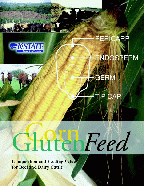
Corn Gluten Feed: Composition and Feeding Value for Beef and Dairy Cattle
by Dale A. Blasi Michael J. Brouk
MF2488
Corn gluten feed (CGF) is a by-product of the wet milling process. Wet or dry CGF represents an excellent feedstuff in the cattle industries. 16 p.Published Date: Feb 2001
Freestall Barn Design and Cooling Systems
by Michael J. Brouk John F. Smith Joseph P. Harner III
EP76
Covers heat stress abatement in dairy cows through proper barn orientation, air exchange and supplemental coolingPublished Date: Feb 2001
Keeping Cows Cool, Where Do I Start?
by John F. Smith Joseph P. Harner III Michael J. Brouk
EP77
Heat stress effects on dairy cows include: increased water intake, decrease in dry matter intake, slower rate of feed passage,less milk production and poor reproductive performance.Published Date: Feb 2001

Reducing Heat Stress in Holding Pens
by Michael J. Brouk John F. Smith Joseph P. Harner III
MF2468
Tips for keeping cows cool in the holding pen.Published Date: Sep 2000
Pinkeye: Infectious Bovine Keratoconjunctivitis
by Harriet J. Davidson Gerald L. Stokka Jeremy Van Boening
MF2210
An overview of the clinical signs, prevention, and treatment of pinkeye in cattle.Revision Date: Jan 2000
Anaplasmosis
by Gerald L. Stokka Thomas R. Falkner Jeremy Van Boening
MF2212
Guide to preventing the economic effects of anaplasmosis on cattle.Revision Date: Jan 2000
Displaying 1 to 15 of 24 Publications
